If you want a Seattle neighborhood where daily life naturally pulls you outside, Green Lake is hard to ignore. For many buyers, the big question is not just what the homes look like, but what it actually feels like to live there day to day. This guide will help you picture the rhythm, housing mix, transit options, and neighborhood character around Green Lake so you can decide if it fits the life you want. Let’s dive in.
Daily Life Near Green Lake
Living near Green Lake often means the park becomes part of your routine. Seattle Parks says the lake and surrounding green space attract thousands of people daily, and the 2.8-mile inner loop gives you a car-free path for walking, running, biking, and skating.
That changes how the neighborhood feels in a practical way. Instead of planning a weekend outing, you may find yourself taking a morning walk, fitting in an evening run, or meeting friends by the water without much effort.
Green Lake Park also offers more than just the loop. According to Seattle Parks, the area includes two lifeguarded swimming beaches, boating access, athletic fields, and a small craft center, which adds to the sense that outdoor recreation is built into everyday life here.
On the east side of the neighborhood, the community center area brings in another layer of convenience. Seattle Parks describes nearby access to a library, restaurants, coffee shops, and shopping, which helps create a neighborhood where errands and casual meetups can stay close to home.
Neighborhood Character and Housing
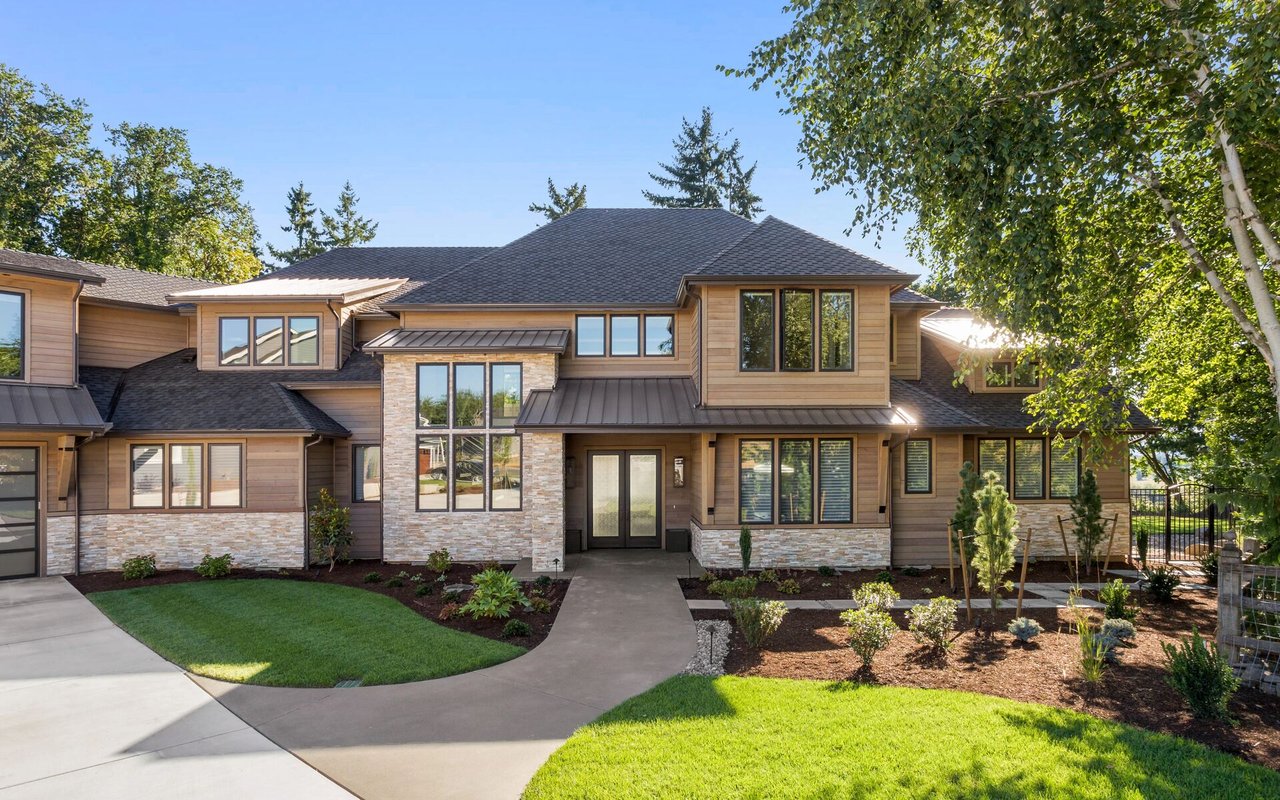
Green Lake has the feel of an established Seattle neighborhood with a strong residential identity. City design guidance describes it as an urban neighborhood made up primarily of single-family homes from the early 1900s, including a notable stock of Craftsman-style houses.
If you like older homes and walkable residential streets, that is a major part of the appeal. The neighborhood’s planning guidance also emphasizes pedestrian-friendly design, especially in commercial and mixed-use areas, rather than an auto-dominated environment.
That said, Green Lake is not one uniform experience. The streets near the lake and many interior residential blocks feel different from the more corridor-like edges, especially around Aurora Avenue N, which city guidance identifies as more auto-oriented.
For buyers, that difference matters. Two homes may both be marketed as Green Lake, but the block-by-block feel can shift depending on whether you are closer to the lake, deeper into residential streets, or nearer a major corridor.
Where New Development Is Showing Up
Green Lake still reads as an older, established neighborhood, but it is not frozen in time. Seattle planning materials for the Northwest and West Green Lake neighborhood-center areas point to added commercial development along Aurora Avenue N, NE 80th Street, and W Green Lake Drive.
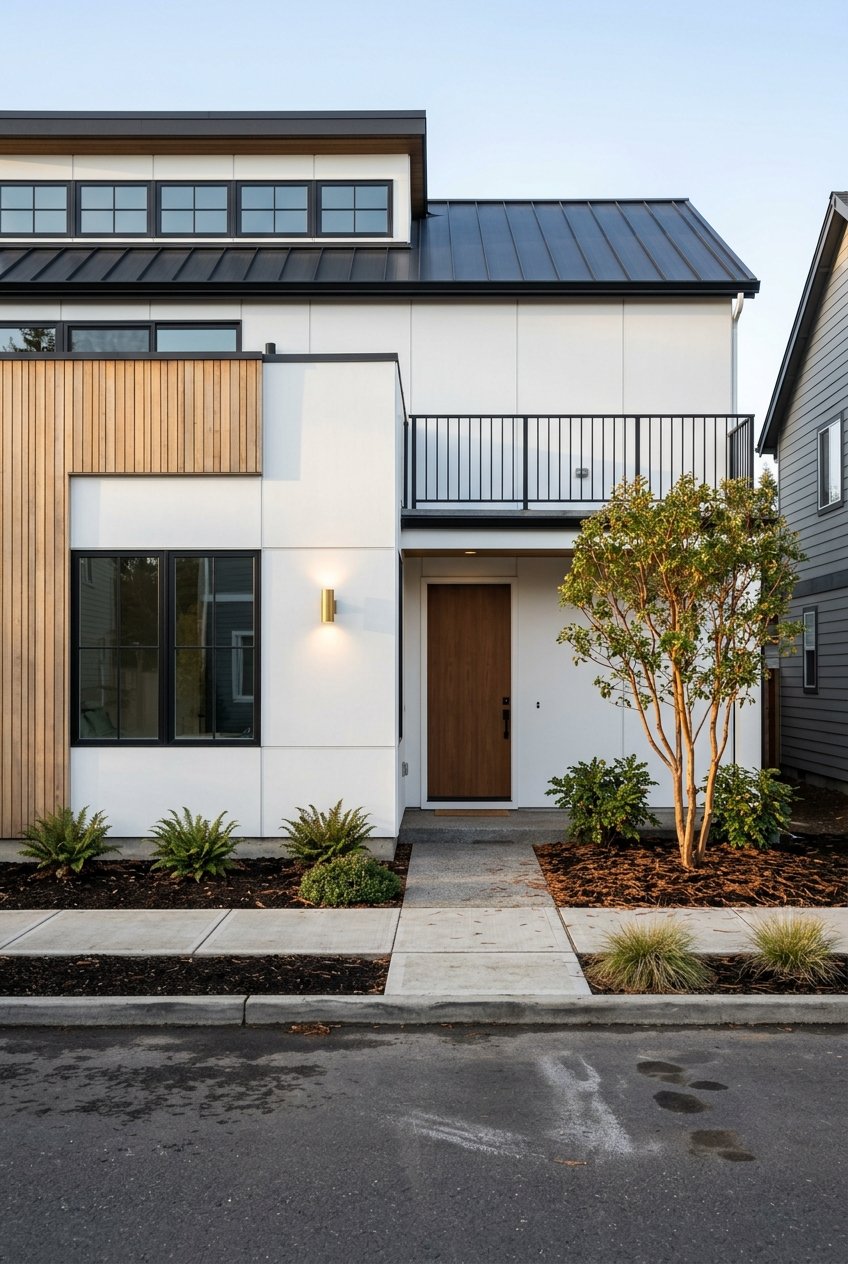
Those same planning materials also show townhomes and multifamily housing appearing more often near edge areas, while more of the interior remains single-family in character. In practical terms, that means you can still find classic neighborhood blocks, but you may also see more infill and redevelopment in specific pockets.
This mix can be a plus if you want options. Depending on where you look, Green Lake may offer older detached homes, townhomes, condos, or other multifamily housing near the edges, giving buyers several ways to enter the neighborhood.
Commuting and Transit Options
Green Lake works well for many buyers who want flexibility in how they get around. Sound Transit says the Green Lake Park-and-Ride near Roosevelt Station has 411 parking spaces and is currently served by the 1 Line, 2 Line, and bus 522.
King County Metro also lists the I-5/NE 65th St/Green Lake Park & Ride with routes 45, 62, and 79. That creates a useful mix of transit choices for people commuting to different parts of Seattle.
Route 45 serves the Green Lake area and connects places including Roosevelt Station, Greenwood, Loyal Heights, and the University District. Route 62 connects Sand Point, Ravenna, Roosevelt, Green Lake, Wallingford, Fremont, South Lake Union, and downtown Seattle.
The key advantage is flexibility. If you are trying to live in a neighborhood where you are not dependent on one single route or one single driving pattern, Green Lake offers a more layered transportation setup than many buyers expect.
What the Area Feels Like Day to Day
One of Green Lake’s biggest strengths is balance. You get a neighborhood known for outdoor access, but you also get the practical benefits of nearby coffee shops, restaurants, shopping, and transit.
That makes the area appealing to several kinds of buyers. If you want a single-family home with classic Seattle character, Green Lake has that history. If you want a townhome or a more compact option closer to neighborhood-center growth areas, there may be opportunities there too.
The neighborhood also fits buyers who want an active lifestyle without giving up city convenience. You can picture a normal weekday here pretty easily: coffee nearby, a walk around the lake, transit options within reach, and residential streets that still feel established.
Green Lake in the Bigger North Seattle Picture
Green Lake sits in an interesting position within North Seattle. City neighborhood snapshot data shows a median household income of $120,327, renter households at 52.5%, and 79.4% of residents holding a bachelor’s degree or higher, though the city notes these figures are based on ACS estimates and approximate neighborhood boundaries.
The main takeaway is not just the numbers themselves. It is that Green Lake combines an established residential base with a meaningful renter population and continued neighborhood-center growth, which gives it a mix of stability and change.
For buyers, that often translates to long-term appeal. The city’s current planning direction points toward pedestrian comfort, selective infill, and transit connectivity rather than a full reinvention of the neighborhood.
Who Green Lake May Suit Best
Green Lake can be a strong fit if you want your neighborhood to support an active, convenient lifestyle. Buyers who value easy park access, classic housing stock, and multiple transit options often find it compelling.
It may also appeal to buyers who want variety within a relatively compact area. Some streets lean more traditional and residential, while edge areas may offer a more mixed-use or redevelopment-oriented feel.
The key is to shop with a clear understanding of micro-location. In Green Lake, your exact block can shape your daily experience as much as the home itself.
Final Thoughts on Living Near Green Lake
Green Lake stands out because it offers something many Seattle buyers want but do not always find in one place: outdoor access, neighborhood convenience, established housing character, and solid transit connections. It feels lived-in and active, with room for gradual change around the edges instead of a wholesale reset.
If you are considering a move to Green Lake, it helps to look past the neighborhood name and focus on the specific streets, housing type, and daily routine you want. That is where local insight matters most. If you want help comparing blocks, housing options, or what makes one part of Green Lake feel different from another, connect with the Henry Shim Group.
FAQs
What is daily life like near Green Lake in Seattle?
- Daily life near Green Lake often centers on the park, with a 2.8-mile car-free loop, swimming areas, boating access, fields, and nearby spots for coffee, dining, shopping, and errands.
What types of homes are common near Green Lake?
- Green Lake is known for primarily single-family homes built in the early 1900s, including many Craftsman-style houses, with townhomes and multifamily housing more common near some edge areas.
What is the neighborhood character around Green Lake?
- Green Lake generally feels established, walkable, and residential, though areas near the lake and interior blocks often feel different from more auto-oriented edges such as Aurora Avenue N.
What transit options are available near Green Lake?
- Green Lake has access to the Green Lake Park-and-Ride near Roosevelt Station, Link service, bus 522, and Metro routes including 45, 62, and 79.
Is Green Lake a good fit for buyers who want walkability?
- Green Lake may appeal to buyers who want a neighborhood with strong pedestrian access, park-centered daily routines, and nearby shops and services, especially in its more walkable residential and mixed-use areas.
How is Green Lake changing over time?
- City planning materials point to added commercial development and more townhome or multifamily infill along certain corridors and edge areas, while much of the interior remains more single-family in character.