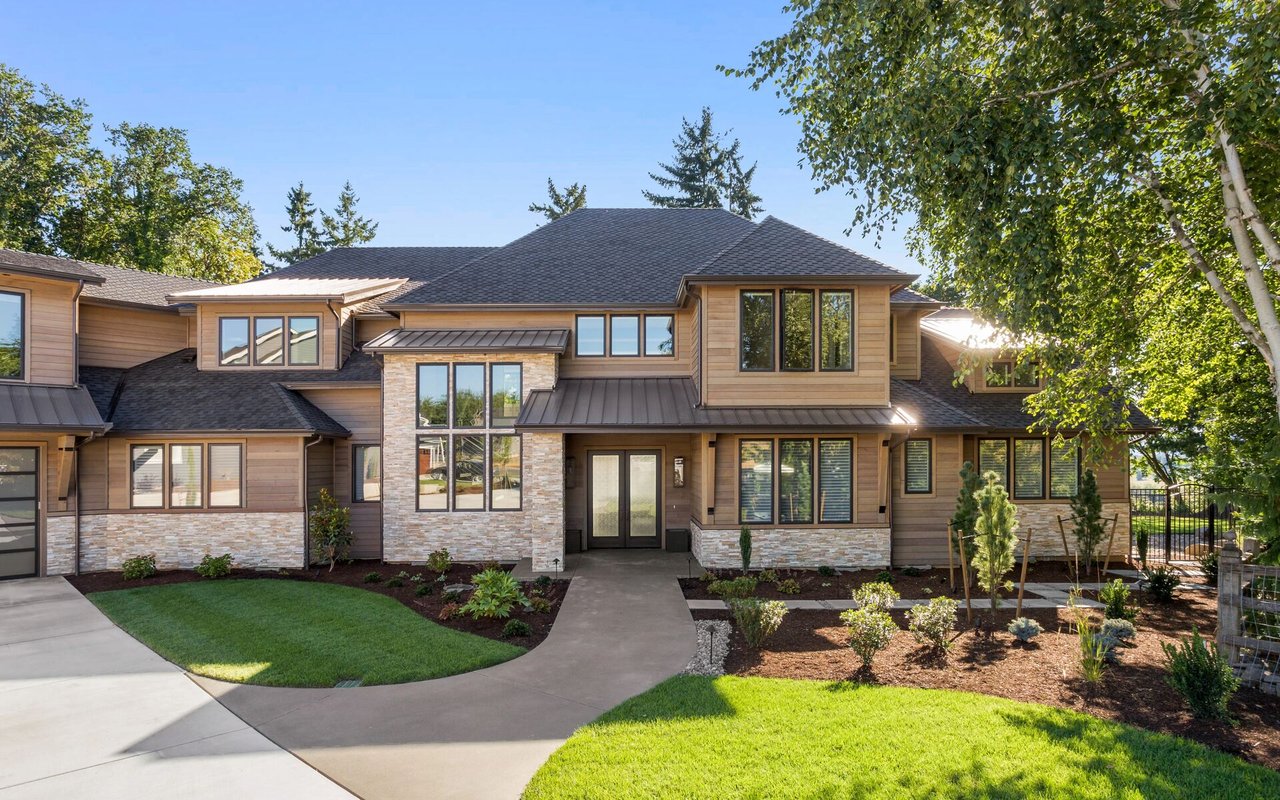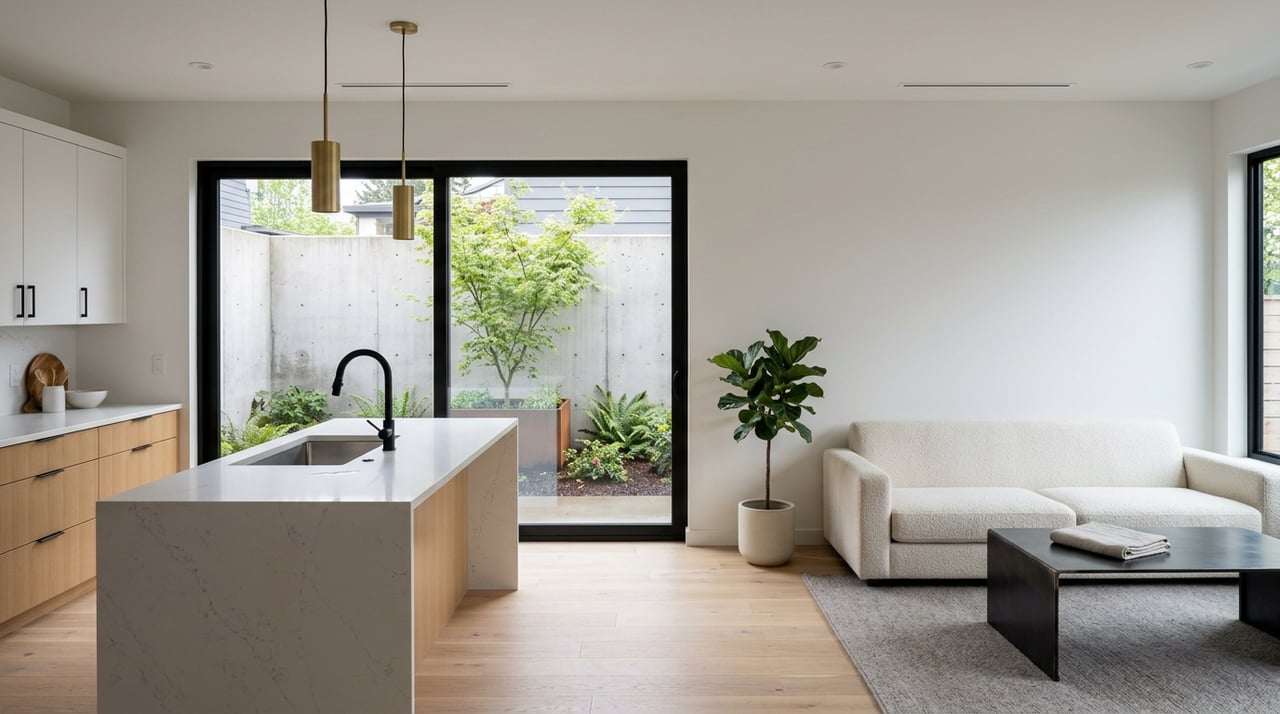
Selling in Madison Park can feel simple from the outside. Homes here often move quickly, and the price points can make it tempting to assume the market will do the work for you. In reality, this is a high-expectation micro-market where buyers notice condition, pricing gaps, and presentation right away. If you want a strong launch and fewer surprises, preparation matters. Let’s dive in.
Know the Madison Park market
Madison Park is not just another Seattle neighborhood. Over the three months ending April 2026, the median sale price was $2,499,071, and homes sold after 6 days on market. That is much higher and faster than Seattle and King County overall during the same period.
At the same time, this is not a market where every listing automatically sells over asking. Only 5.9% of homes sold above list, while 22.7% had price drops. The average Madison Park home also sold about 2% below list, which tells you that pricing too high can cost you time and leverage.
Property type matters here too. Madison Park includes single-family homes, townhouses, and condos or co-ops, so pricing should be based on truly comparable homes, not broad neighborhood averages alone. A well-updated condo and a lake-adjacent house may share a ZIP code, but they do not compete the same way.
Start earlier than you think
If you want to sell in the spring, the work should begin several weeks before your target list date. Redfin’s 2026 seasonality analysis identifies late March as Seattle’s prime listing window, and Seattle is one of the most seasonal metros in the country.
That means waiting until spring to start cleaning, repairing, and organizing can put you behind. By the time competition increases later in the season, the best-prepared listings already look polished and market-ready. The goal is to launch when your home and the timing both line up.
A practical approach is to work backward from your ideal list date. That gives you room to make decisions without rushing and helps you avoid last-minute compromises on pricing, staging, or paperwork.
Price for the market you have
In Madison Park, price is strategy, not guesswork. Fast sales and premium prices can create the impression that buyers will stretch no matter what, but the data suggests something more disciplined. Homes move quickly here, yet price drops are still common enough to matter.
That combination usually points to a simple truth: buyers will pay for value, but they also respond fast when a home feels overpriced. In a neighborhood where homes often go pending in around 9 days, and hot homes can move in around 4 days, your first week matters a lot.
A strong pricing plan should account for:
- Recent Madison Park comps
- Property type
- Current condition and level of updates
- Lot, views, and location details
- Whether the home has shoreline or flood-related considerations
For many sellers, the real risk is not underpricing. It is starting too high, missing the first wave of interest, and then having to correct the price after momentum fades.
Focus on updates buyers actually notice
Before you spend heavily on renovations, start with the basics. The highest-value pre-listing improvements are often the least flashy: decluttering, deep cleaning, curb appeal, neutral paint where needed, and making rooms feel more open.
Bulky furniture can make even a large room feel smaller. Overstuffed closets can suggest limited storage. Personal items can make it harder for buyers to picture the home as their own. Clean, simple, and spacious usually wins.
A smart pre-listing checklist often includes:
- Deep clean the entire home
- Declutter surfaces, shelves, and storage areas
- Touch up paint with neutral tones where needed
- Refresh towels and bedding
- Remove oversized furniture if rooms feel crowded
- Improve the front entry and exterior appearance
- Fix obvious minor maintenance items
This kind of prep tends to deliver a better return than jumping straight into expensive remodeling. In a market like Madison Park, buyers expect a home to feel cared for from the moment they walk in.
Understand Seattle permit rules first
Not every project needs a permit, but some definitely do. The City of Seattle says painting or cleaning a building usually does not require a permit, and minor repairs or alterations costing $6,000 or less in any six-month period generally do not require one.
However, that does not mean all pre-sale work is automatically simple. If a project affects load-bearing supports, the building envelope, or reduces egress, light, ventilation, or fire resistance, a permit is required. If you are considering more than cosmetic work, it is worth confirming the scope before you start.
This matters because unpermitted or incomplete work can create delays when you are trying to launch. If your goal is speed, clarity on the front end is usually better than scrambling later.
Pay attention to shoreline and flood considerations
Madison Park has location-specific issues that some Seattle sellers never have to think about. Because parts of the neighborhood may fall within Seattle’s shoreline district, lake-adjacent properties can face extra rules.
Seattle’s shoreline district includes Lake Washington and all land within 200 feet of it. Development there may require a shoreline substantial development permit, an exemption, or a master use permit. If your property is near the water and you have made improvements, those details should be reviewed early.
Flood considerations may also matter more here than in inland neighborhoods. Redfin and First Street rate Madison Park as having moderate flood risk, with 11% of properties at risk of severe flooding over the next 30 years. Even when a sale is not directly affected, buyers may still ask questions about location-specific risk and past work.
Get disclosures ready early
Paperwork can slow down a sale just as easily as pricing mistakes can. In Washington, Form 17 is time-sensitive. Unless it is waived, the seller must deliver the completed disclosure within five business days after mutual acceptance, and the buyer then has three business days to accept or rescind.
If new information later makes the disclosure inaccurate, the seller must amend it. That is one reason it helps to gather information before you list, especially if the property has older systems, prior repairs, or location-specific issues.
If your home was built before 1978, lead-based paint disclosure rules also apply. Sellers must disclose known lead-based paint or hazards, provide available records and reports, give the EPA pamphlet, and allow a 10-day inspection or risk-assessment window before contract signing.
The easier you make it for buyers to understand the property, the smoother your sale usually feels.
Stage the rooms that matter most
Staging is not just about making a home look pretty. It helps buyers understand scale, flow, and how the home lives day to day. In a high-expectation market, that can influence both speed and price.
NAR’s 2025 staging report found that 83% of buyers’ agents said staging made it easier for buyers to envision the home. It also found that 49% of sellers’ agents said staged homes sold faster. For sellers deciding whether it is worth the effort, those numbers are hard to ignore.
If you want to prioritize, start with the rooms buyers focus on most:
- Living room
- Primary bedroom
- Kitchen
You do not always need full-scale staging in every room. Sometimes selective staging, furniture editing, and better styling are enough to create the right impression. If virtual staging is used, the photos should still accurately represent the home, and materially altered images should be disclosed.
Build a launch around digital first impressions
Most buyers start online, and the media package can shape whether they book a showing at all. Zillow’s 2025 consumer research found that buyers ranked floor plans as the most important listing feature at 33%, followed by high-resolution photos at 26% and 3D or virtual tours at 20%.
That tells you something important: great marketing is not extra in Madison Park. It is part of the pricing strategy. If buyers cannot understand the layout or the home does not photograph well, interest can drop before anyone walks through the door.
A strong launch often includes:
- Professional floor plans
- High-resolution photography
- 3D or virtual tour assets
- MLS exposure
- Yard sign placement
- Open house strategy
- Broad digital syndication
- Targeted social promotion
Photography deserves special attention. Zillow recommends 22 to 27 listing photos, and in a visually driven market, those images are often your first showing.
Treat your first week as critical
The first week on the market usually brings the most attention. In Madison Park, where homes can move quickly, that early window carries even more weight.
If your home is priced correctly, prepared well, and launched with strong media, you are in a better position to capture the first wave of serious buyers. If the home hits the market half-ready, with weak photos or an optimistic price, buyers may move on before you get a second chance.
That is why experienced sellers often think of listing prep as a launch plan, not a checklist. Every piece works together, from timing and repairs to disclosures and digital presentation.
Final thoughts on selling in Madison Park
Preparing to sell a home in Madison Park is really about reducing guesswork. You want to know what the market supports, what buyers will notice, and which details could slow the process if they are left too late.
The good news is that most of the highest-impact steps are straightforward. Price from real comps, focus on clean presentation, handle paperwork early, and make sure your launch looks as polished online as it does in person.
If you want candid advice on pricing, prep, staging, and how to position your Madison Park home for a strong launch, connect with Henry Shim Group.
FAQs
When should you start preparing to sell a home in Madison Park?
- Ideally, start several weeks before your target list date, especially if you want a spring launch. Seattle’s prime listing window is late March, so early prep gives you time to clean, stage, repair, and organize disclosures.
What updates matter most before selling a Madison Park home?
- The most valuable basics are usually deep cleaning, decluttering, curb appeal, neutral paint where needed, and minor repairs. These steps often improve presentation more efficiently than major remodeling.
How important is staging for a Madison Park home sale?
- Staging can make a real difference because it helps buyers picture the home more easily. The top rooms to prioritize are the living room, primary bedroom, and kitchen.
What marketing assets matter most for a Madison Park listing?
- Buyers care most about floor plans, high-resolution photos, and 3D or virtual tours. A strong digital presentation can improve early interest and support your pricing strategy.
What disclosures can affect a Madison Park home sale timeline?
- Washington Form 17, lead-based paint disclosures for pre-1978 homes, and any shoreline-related permit questions for lake-adjacent properties can all affect timing and should be reviewed early.