If you are deciding between North Queen Anne and South Queen Anne, you are really choosing between two very different ways of living in the same Seattle neighborhood. One side leans more residential and hilltop-oriented, while the other feels denser, more urban, and more connected to Seattle Center and downtown. If you want to understand how housing, views, transit, parking, and day-to-day feel can shape your decision, this guide will help you compare them with more clarity. Let’s dive in.
North vs. South Queen Anne
For buyers, the cleanest way to think about this comparison is simple: North Queen Anne generally feels more residential, while South Queen Anne usually refers to Lower Queen Anne or Uptown, which feels more urban and mixed-use.
Seattle planning documents describe Queen Anne as a steep hill with a relatively level top, varied side slopes, and lower areas at the base. They also distinguish Upper Queen Anne from Lower Queen Anne/Uptown, with Uptown located at the base of the south slope near Seattle Center. That planning framework helps explain why the two areas can feel so different even though they share the Queen Anne name.
North Queen Anne Feel
North Queen Anne is more closely tied to the top and northwestern parts of the hill, along with areas that connect toward the Ship Canal, Seattle Pacific University, Interbay, Fremont, and Ballard. In practical terms, that often means a more residential setting and a less intense urban pace.
City materials note that much of the top of Queen Anne is zoned for single-family residences, with more commercial and multifamily development concentrated along arterials and smaller neighborhood hubs. That creates more of a village-center pattern rather than a dense urban core.
Housing in North Queen Anne
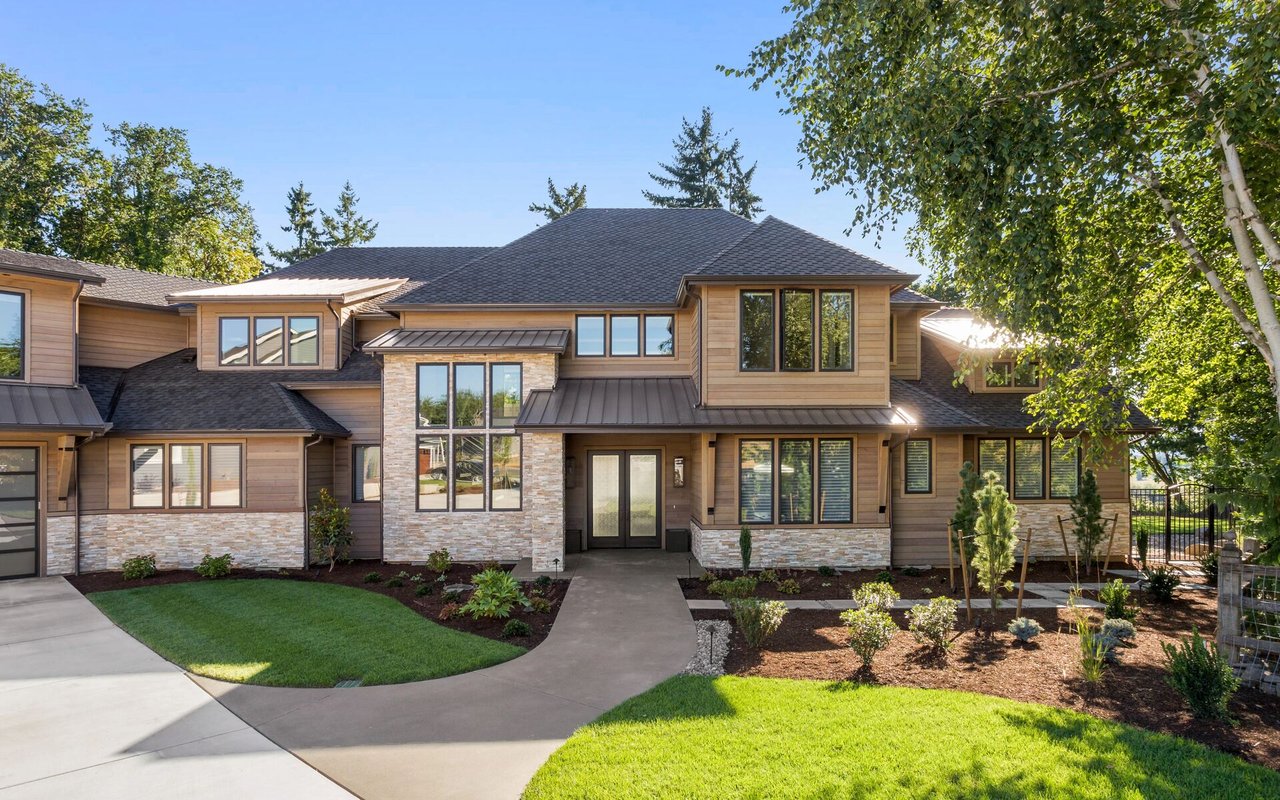
If you are looking for a quieter residential feel, North Queen Anne may line up more closely with your goals. The housing mix tends to skew more toward single-family homes, especially on the hill, though canal-edge and north-slope areas are more mixed.
City historic context also notes that Nickerson Street includes a blend of multifamily and single-family housing, light industry, offices, and parking-oriented development near the Ship Canal. So even within North Queen Anne, the feel can shift quite a bit block by block.
Realtor.com’s June 2026 snapshot shows North Queen Anne with a median listing price of $859,000, 71 homes for sale, 45 rentals, and a median days on market of 37. It classifies the submarket as balanced.
South Queen Anne Feel
South Queen Anne, for most buyers, usually means Lower Queen Anne or Uptown. This is the area at the base of the south slope around Seattle Center, where the environment is more active, more mixed-use, and more shaped by restaurants, offices, entertainment, and foot traffic.
Seattle documents describe Uptown as having a high concentration of commercial and office buildings, along with steady activity from visitors and event-goers. Recent growth has leaned toward larger low-rise and midrise mixed-use and apartment projects with ground-floor retail.
Housing in South Queen Anne
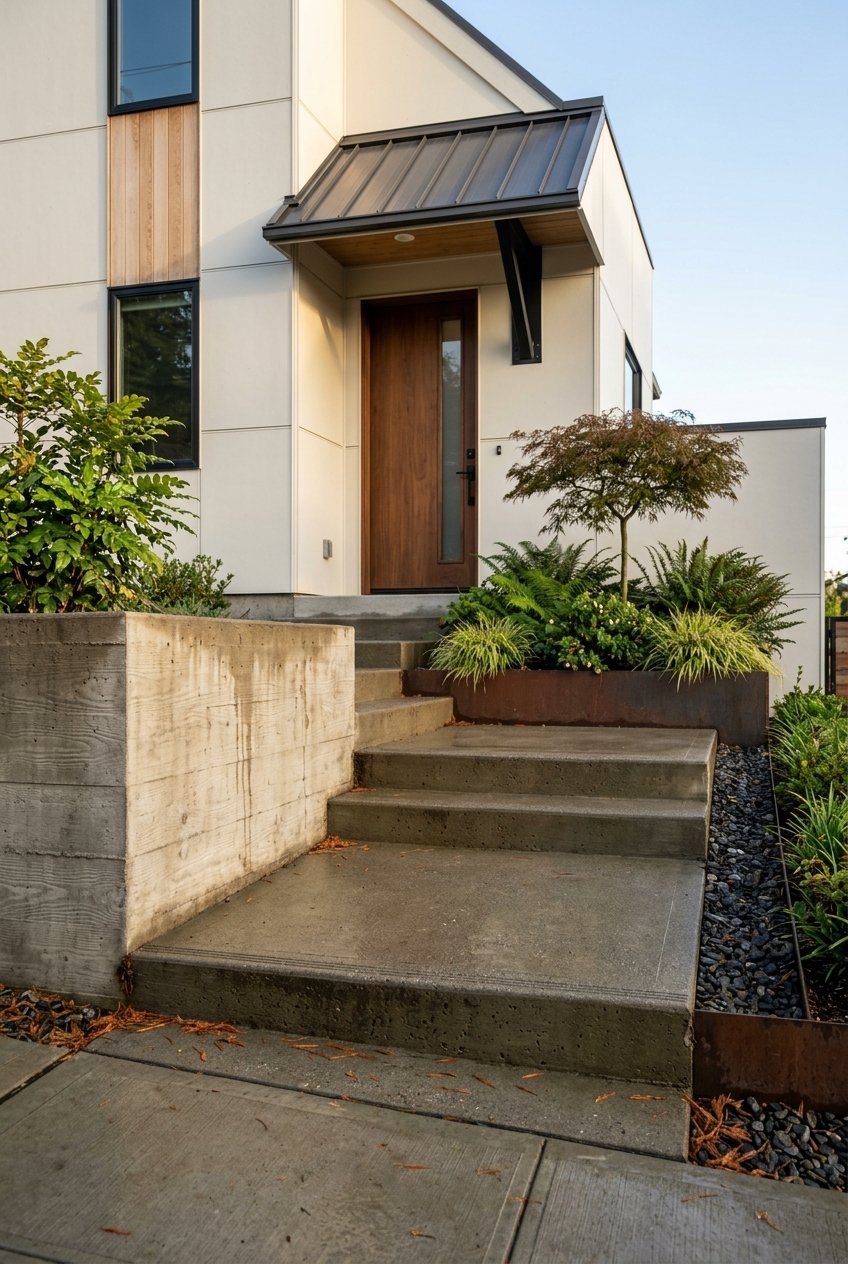
If your priority is condo living, a more urban setup, or easier access to major destinations, South Queen Anne may be the stronger fit. The housing stock here is more likely to be condo-, apartment-, and rental-oriented than what you see farther north on the hill.
That matters when you compare pricing. Realtor.com’s June 2026 snapshot shows Lower Queen Anne with a median listing price of $450,000, 74 homes for sale, 128 rentals, and a median days on market of 41. It classifies the submarket as a buyer’s market.
The price gap between North and South Queen Anne is real, but it is not a perfect apples-to-apples comparison. North Queen Anne tends to include more single-family product, while South Queen Anne skews more heavily toward condos and apartments.
Views and Setting
Views are a major part of the Queen Anne buying conversation, but the type of view often changes depending on which side of the neighborhood you choose.
City documents note that homes on the slopes are often designed around their outlook, and south-slope residents historically pushed to protect panoramic views. That history still helps explain why view value can carry so much weight in this part of Seattle.
South Queen Anne Views
South-slope public viewpoints include some of Seattle’s most iconic outlooks. Kerry Park overlooks Elliott Bay and the central city, Ward Springs Park offers views of the Space Needle and downtown, and the Betty Bowen Viewpoint looks toward Puget Sound.
For buyers, that usually translates to stronger competition for homes with skyline, bay, and sunset exposure. If your dream is that classic Seattle backdrop, South Queen Anne may offer more of the view style you have in mind.
North Queen Anne Views
North-side views tend to feel different in character. The Northeast Queen Anne Greenbelt offers east-facing views toward Lake Union and the Cascades, along with a vantage point for watching seaplanes.
That does not mean every North Queen Anne home has that outlook, but it does show the general pattern. In many cases, North Queen Anne appeals more to buyers who want a quieter setting with canal, east-facing, or residential outlooks rather than the classic downtown postcard view.
Transit and Commute
Your daily routine may be one of the biggest deciding factors between North and South Queen Anne. These two areas connect to the city in different ways.
South Queen Anne Access
South Queen Anne is often the easier fit if you want quick access to downtown and Seattle Center. King County Metro Route 2 serves West Queen Anne, Seattle Center, and Downtown Seattle, Route 13 serves Seattle Pacific University, Queen Anne Hill, Seattle Center, and Downtown Seattle, and the D Line serves Lower Queen Anne, Ballard, and Downtown Seattle.
For buyers who want a more transit-friendly setup, this can be a real advantage. It can make getting into downtown or around major activity centers feel more direct.
North Queen Anne Access
North Queen Anne has a different movement pattern. SDOT describes Nickerson Street as a principal arterial, a major truck route, and a transit street connecting Westlake, Fremont, Ballard, and Interbay.
If your routine often takes you toward those corridors, North Queen Anne may make more sense. In practical terms, buyers here often prioritize access to Fremont, Ballard, Interbay, and the Ship Canal corridor over being close to Seattle Center activity.
Parking and Event Traffic
Parking can be one of those details that changes how a neighborhood feels after move-in. In Queen Anne, that difference is especially noticeable on the south side.
Seattle parking guidance says most neighborhoods get free street parking on Sundays and certain holidays, but Uptown near Climate Pledge Arena can still see special event parking rates during large events. That can add a layer of event-driven traffic and parking pressure in South Queen Anne.
North Queen Anne can still have busy streets, especially near key arterials, but it is generally less tied to event traffic. If easy day-to-day parking is high on your list, this is something worth checking carefully on each block you consider.
What Buyers Should Compare
The biggest mistake in Queen Anne is assuming every block feels the same. This is a neighborhood where micro-location matters.
Here are a few things to compare as you tour homes:
- Property type: North Queen Anne is more likely to feel residential and single-family-oriented, while South Queen Anne is more likely to feel condo- and apartment-oriented.
- View style: South Queen Anne often competes on downtown, Elliott Bay, and Puget Sound views. North Queen Anne may offer more east-facing, canal-adjacent, or quieter outlooks.
- Transit pattern: South Queen Anne may suit buyers who want easier trips to Seattle Center and downtown. North Queen Anne may fit buyers who rely more on Nickerson access and connections to Fremont, Ballard, or Interbay.
- Parking and activity: South Queen Anne can feel more event-driven near Seattle Center and the arena. North Queen Anne often feels less tied to that activity pattern.
Which Area Fits You Best
If you want a more residential feel, a hilltop-or-canal-adjacent setting, and a housing mix that leans more toward single-family homes, North Queen Anne may be the better match. If you want a more urban environment with stronger transit access, more mixed-use development, and easier reach to Seattle Center and downtown, South Queen Anne may be the better fit.
Neither option is automatically better. The right choice depends on the property type you want, the commute you need, the view you value, and how much daily activity feels energizing versus inconvenient.
That is where local, block-by-block guidance matters most. If you want help comparing homes in Queen Anne with a clear strategy and candid advice, connect with Henry Shim Group for a free consultation.
FAQs
What is the difference between North Queen Anne and South Queen Anne for buyers?
- North Queen Anne generally feels more residential and single-family-oriented, while South Queen Anne usually refers to Lower Queen Anne or Uptown, which feels denser, more urban, and more mixed-use.
Is North Queen Anne more expensive than South Queen Anne?
- Based on Realtor.com’s June 2026 snapshot, North Queen Anne had a median listing price of $859,000 and Lower Queen Anne had a median listing price of $450,000, but the comparison reflects different property types and is not perfectly apples to apples.
Is South Queen Anne better for transit and downtown access?
- South Queen Anne is generally better positioned for easier trips to Seattle Center and downtown because it is served by routes including Metro 2, 13, and the D Line.
Does North Queen Anne have a quieter feel than South Queen Anne?
- In general, yes. North Queen Anne tends to feel more residential, while South Queen Anne has more commercial activity, mixed-use development, foot traffic, and event-related energy.
What should buyers compare block by block in Queen Anne?
- Focus on property type, view exposure, transit access, parking conditions, and how much daily activity surrounds the home, because those details can vary a lot across Queen Anne.