If you want a Seattle neighborhood that feels calmer, greener, and closer to the water, Magnolia usually gets your attention fast. It has a reputation for being a little apart from the rest of the city, and that is not just a vibe. Magnolia’s peninsula setting, park access, and mostly residential layout create a lifestyle that can feel very different from denser Seattle neighborhoods. Let’s dive in.
Why Magnolia Feels Different
Magnolia stands out because it is physically and visually distinct from much of Seattle. City planning materials describe it as a primarily residential area with a neighborhood business district along McGraw Street and 32nd Avenue West, surrounded by lower-density residential streets.
That pattern matters in daily life. Instead of a dense urban core with heavy retail and nightlife, you get a village-scale center and quieter residential blocks. Magnolia also has limited roadway connections, which adds to the sense that the neighborhood sits a bit apart.
Parks Shape Daily Life
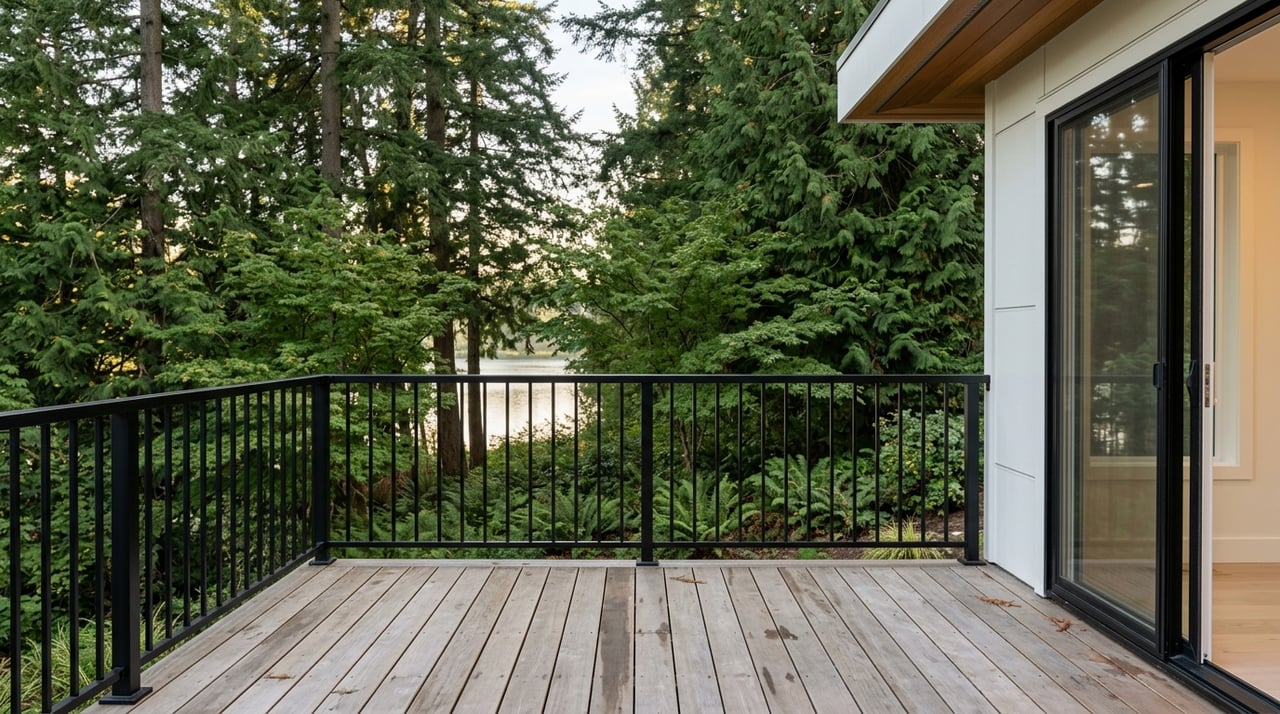
Magnolia’s identity is tied closely to open space. If you picture morning walks, trail runs, shoreline views, or quick park access after work, this neighborhood delivers that in a way few Seattle areas can.
The biggest reason is Discovery Park. Seattle Parks describes it as the city’s largest park, set on Magnolia Bluff above Puget Sound, with views of the Cascade and Olympic mountain ranges.
Discovery Park Is The Anchor
Discovery Park is more than a single green space. It includes two miles of protected tidal beaches, along with meadows, sea cliffs, forest groves, dunes, thickets, and streams.
For many buyers, that is the headline feature of living in Magnolia. You are not just near a park. You are near one of Seattle’s defining natural spaces, with room to walk, explore, and enjoy the water from multiple vantage points.
More Than One Great Park
Magnolia’s outdoor appeal goes well beyond Discovery Park. Kiwanis Memorial Preserve Park sits one block east of Discovery Park and was named Seattle’s first Wildlife Sanctuary in 2010. It is also known for its Great Blue Heron colony.
Magnolia Boulevard adds another layer to the neighborhood experience. Seattle Parks describes it as a long strip of green space with Puget Sound views, while Magnolia Park is known for bluff views and picnic use.
Taken together, these spaces create a setting defined by shoreline access, bluff edges, trails, and greenbelts. That broad outdoor network is a major reason Magnolia feels so different from busier, more built-up parts of Seattle.
What Everyday Living Looks Like
Magnolia is not only about scenery. It also has the kind of neighborhood institutions that help daily life feel grounded and convenient.
The Magnolia Community Center sits at the west edge of Magnolia Village on Magnolia Playfield. It offers sports, childcare, and seasonal programs, which adds practical value for residents who want nearby activities and services.
The Magnolia Branch of The Seattle Public Library serves the area with a branch library, meeting room, study room, Wi-Fi, public computers, free parking, and transit access. During the season, the Magnolia Farmers Market also supports the neighborhood village feel.
Village Scale, Not Big City Intensity
This is one of the clearest lifestyle differences in Magnolia. You are getting a smaller business district and community-focused amenities, not a major commercial hub.
For some buyers, that is exactly the appeal. If you want your neighborhood to feel residential first, with parks and essentials woven into daily life, Magnolia checks that box well.
Housing In Magnolia
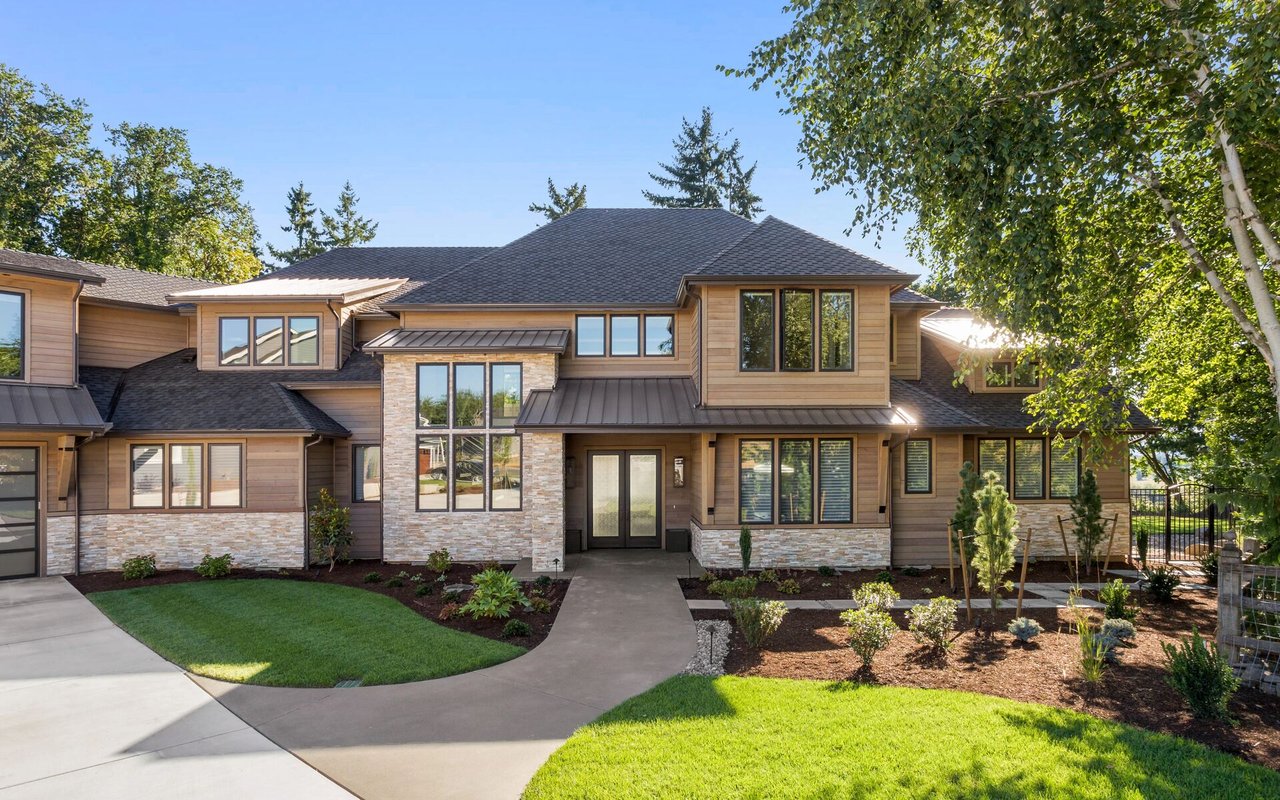
If you are looking for detached housing in Seattle, Magnolia deserves a close look. According to the City of Seattle’s Magnolia housing profile based on the 2010 ACS, the neighborhood had 5,872 total housing units, and 5,001 of them, or 85.2%, were 1-unit detached homes.
That is a meaningful number because it helps explain the neighborhood’s physical character. Compared with denser Seattle areas that lean more heavily on apartments and larger multifamily buildings, Magnolia is shaped much more by single-family residential streets.
Who Magnolia Often Appeals To
Magnolia can make sense for a few types of buyers in particular:
- Buyers who want strong park access and time outdoors close to home
- Buyers who prefer detached homes and quieter residential blocks
- Households that value neighborhood amenities like a community center, library, playfield, and seasonal market
- Remote or hybrid workers who are comfortable with bus service and bridge-based access rather than rail-centered commuting
On the flip side, Magnolia may be less aligned with what you want if your top priority is dense nightlife, frequent rail access, or a highly urban apartment-centered environment.
Commuting From Magnolia
Commute planning matters in Magnolia because access is more limited than in many Seattle neighborhoods. The city’s Magnolia Bridge Planning Study says there are four bridges to the neighborhood: Magnolia Bridge, West Dravus Street, West Emerson Place, and Fort Street Bridge.
That limited access helps preserve Magnolia’s distinct feel, but it also affects how you think about getting in and out of the neighborhood. If you drive regularly or commute on a fixed schedule, this is worth understanding early in your home search.
Transit Is Bus Based
Magnolia does have transit options, but they are bus-based rather than rail-based. King County Metro service pages show Route 24 connecting Magnolia with Seattle Center and Downtown Seattle, Route 33 serving Discovery Park, Magnolia, Seattle Center, and Downtown Seattle, and Routes 31 and 32 linking Magnolia with Seattle Center, Fremont, Wallingford, the University District, and Children’s Hospital.
That means Magnolia can work well if you are comfortable planning around bus routes and bridge crossings. If your ideal setup depends on quick rail access and a dense walk-everywhere layout, the fit may feel less natural.
How Magnolia Compares To Denser Seattle Neighborhoods
The best way to understand Magnolia is to compare it with more urban parts of Seattle. Magnolia offers more open space, more detached housing, and a more residential block pattern than many close-in neighborhoods.
In exchange, you typically get less big-city intensity. There is less emphasis on nightlife, large retail corridors, and rail-centered transit, and more emphasis on parks, water views, and a neighborhood-scale daily rhythm.
That tradeoff is exactly why many buyers like Magnolia. It offers a Seattle address with a lifestyle that can feel more relaxed and more connected to the outdoors.
Is Magnolia The Right Fit For You?
If you want a neighborhood where parks and water are part of your routine, Magnolia is easy to understand and hard to forget. Discovery Park may be the headline, but the full story is the combination of shoreline access, bluff views, green space, detached housing, and a small village-style core.
The key is making sure the lifestyle matches what you actually want. If your priorities are outdoor access, a residential setting, and neighborhood-scale living, Magnolia can be a strong fit. If you want rail access, denser walkability, and a faster urban pace, you may want to compare it carefully with other Seattle neighborhoods.
If you are weighing Magnolia against other Seattle neighborhoods, or trying to decide whether its lifestyle matches your goals, Henry Shim Group can help you break down the tradeoffs and make a confident plan.
FAQs
What is Magnolia in Seattle known for?
- Magnolia is known for its residential character, strong park access, water and bluff views, and Discovery Park, which is Seattle’s largest park.
What parks are near homes in Magnolia Seattle?
- Magnolia is closely tied to Discovery Park, Kiwanis Memorial Preserve Park, Magnolia Boulevard, Magnolia Park, and Magnolia Playfield.
What kind of housing is common in Magnolia Seattle?
- Magnolia has a housing pattern that leans heavily toward detached homes. A City of Seattle housing profile found that 85.2% of the neighborhood’s housing units were 1-unit detached homes.
How do you commute from Magnolia Seattle?
- Magnolia commuting is shaped by four bridge connections and a bus-based transit network, including Metro Routes 24, 33, 31, and 32.
Is Magnolia Seattle more urban or more residential?
- Magnolia is more residential in character. City planning materials describe it as primarily residential, with a smaller neighborhood business district rather than a dense urban core.
Who might like living in Magnolia Seattle?
- Magnolia may appeal to buyers who want parks, shoreline access, quieter residential streets, and neighborhood amenities like a library, community center, playfield, and seasonal farmers market.