Thinking about buying a condo in Capitol Hill? You are not alone. This Seattle neighborhood draws buyers who want a central location, strong transit access, and a lifestyle shaped by walkability, restaurants, retail, and city energy. If you are trying to figure out what to buy, what to pay attention to, and how to avoid expensive surprises, this guide will help you make a more confident decision. Let’s dive in.
Why Capitol Hill Appeals to Condo Buyers
Capitol Hill sits just east of I-5 and next to Downtown Seattle and South Lake Union, which makes it one of the city’s most connected urban neighborhoods. Seattle’s Office of Planning and Community Development describes it as a dense residential and job hub with strong transit options and a lifestyle where many residents walk, bike, and use transit for daily needs.
That convenience shows up in day-to-day living. Redfin lists Capitol Hill with a Walk Score of 93, and Sound Transit’s Capitol Hill Station at 140 Broadway E connects the neighborhood to Link light rail, nearby bus service, and the First Hill Streetcar near Broadway and Denny. If you want a home base that can reduce car dependence, Capitol Hill stands out.
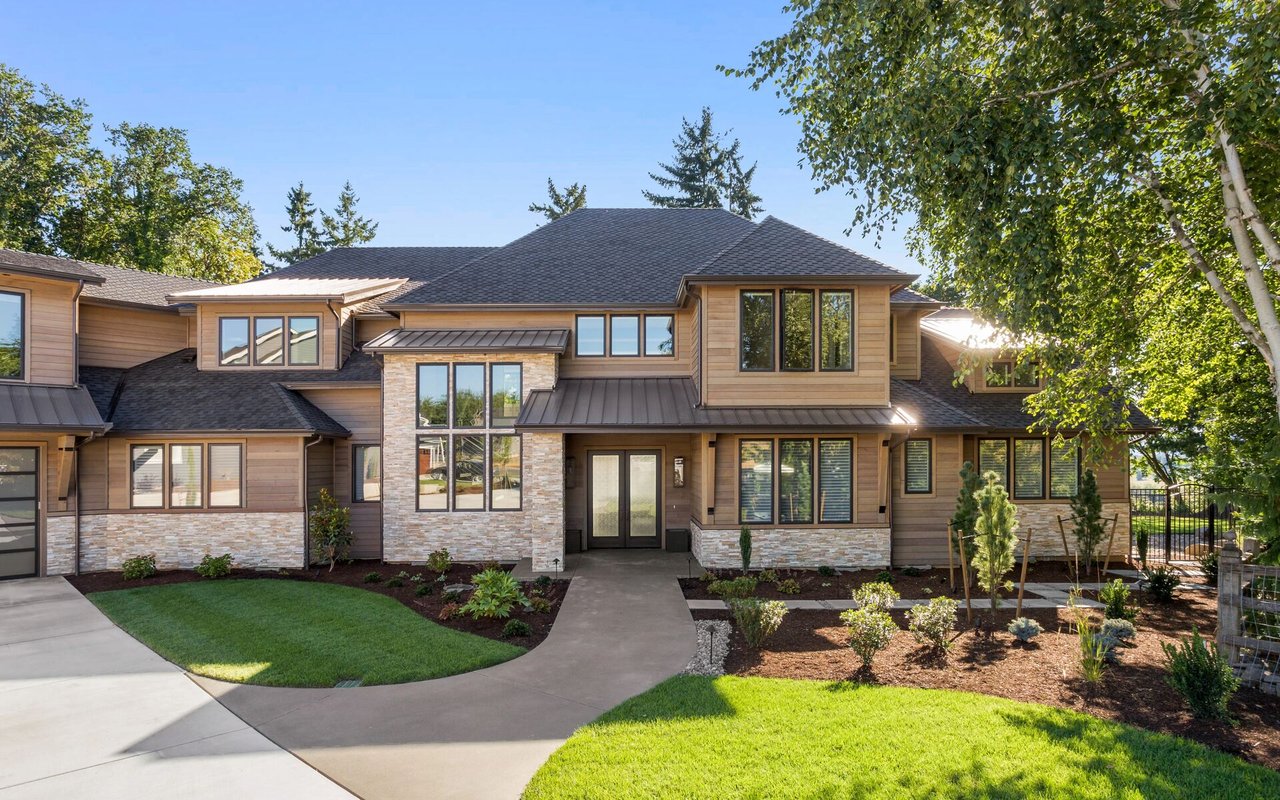
For many buyers, the appeal is not just location. It is also variety. You can find condos near busy commercial streets, buildings tucked into quieter residential pockets, and homes in both older and newer projects.
What Condo Stock Looks Like
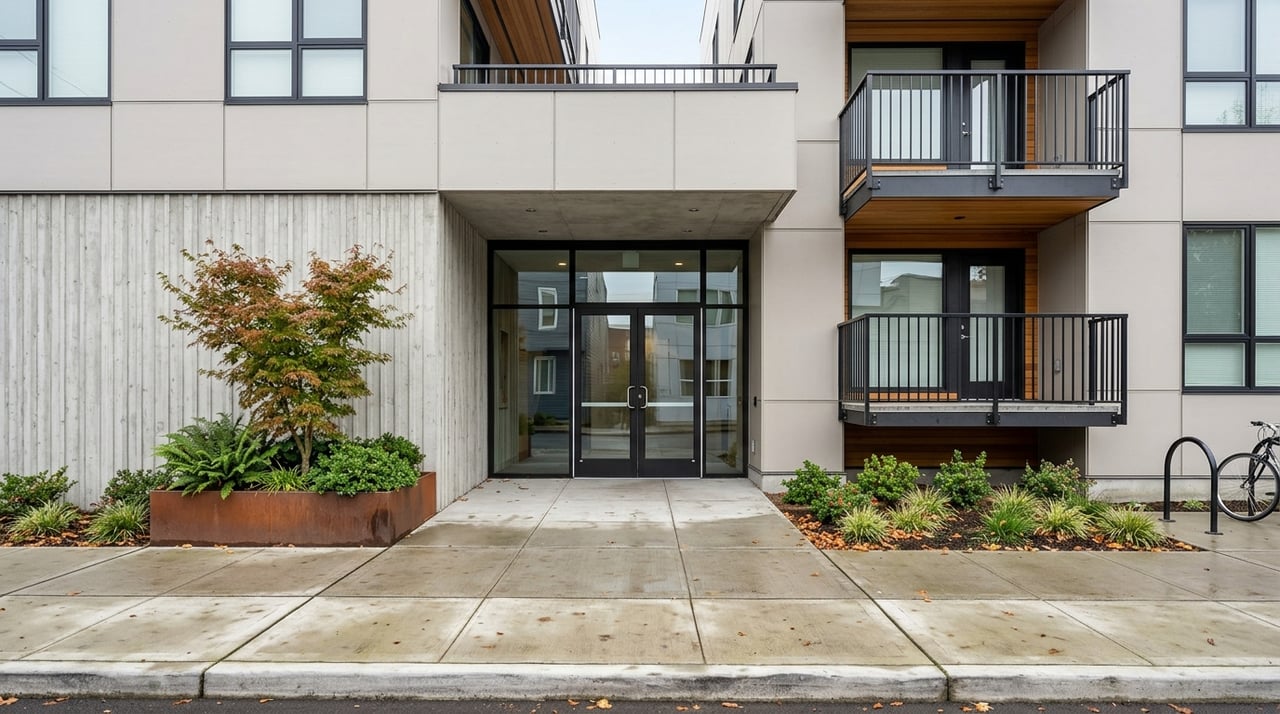
Capitol Hill does not come with one standard condo product. Seattle’s neighborhood design guidelines describe Broadway and surrounding areas as an eclectic urban center with mixed-use buildings, storefront structures, and housing above retail.
That means your options may look very different from one block to the next. Some buyers will tour midcentury low-rise buildings, while others will focus on newer mixed-use or infill projects. A local historical documentation effort identified 269 midcentury modern multifamily residential buildings in Capitol Hill, which helps explain why so much of the housing stock feels distinct rather than uniform.
King County’s housing profile also notes a wide variety of homes in Capitol Hill, from older dwellings to modern construction and townhouses. For you as a condo buyer, that usually translates to real differences in finishes, building systems, maintenance history, dues, and amenities.
Older Buildings vs. Newer Buildings
Older condo buildings can offer character, mature locations, and layouts that feel different from newer construction. At the same time, an older building may require closer review of maintenance, reserves, and future repair planning.
Newer buildings may offer more modern finishes and updated systems, but they can still vary a lot in dues, construction quality, and HOA financial health. A newer building is not automatically the safer buy. In Capitol Hill, building-by-building analysis matters more than broad assumptions.
What Capitol Hill Condos Cost
If you are trying to set expectations, condo-specific data gives a better picture than neighborhood-wide housing averages. Current Capitol Hill condo listings on Redfin show a median listing price of $423,000.
The active examples on that page range from about $275,000 for a studio to roughly $1.45 million for a three-bedroom unit. Many one-bedroom condos cluster between the mid-$300,000s and $600,000 range, and a two-bedroom example appears around $625,000.
You may also see broader neighborhood housing figures that look much higher. Zillow’s Capitol Hill page shows an average home value of $667,813, a median sale price of $857,083, and a median list price of $562,150, but those figures mix housing types. For condo buyers, the condo-specific range is usually the more practical starting point.
How to Evaluate Value Beyond Price
In Capitol Hill, sticker price is only part of the story. Two units with similar square footage can feel very different as investments and as places to live once you account for building condition, dues, and location within the neighborhood.
The strongest resale fundamentals are often tied to practical factors. Seattle planning documents point to the neighborhood’s transportation access, pedestrian orientation, and urban design priorities, while current market context reinforces the importance of proximity to transit, retail, and day-to-day amenities.
Compare These Condo Value Drivers
When you are narrowing down options, pay close attention to:
- Monthly HOA dues
- Reserve strength
- Special assessment history
- Building age and maintenance record
- Unit location within the building
- Proximity to light rail, bus routes, and retail corridors
- Views, if applicable
- Amenity package compared with dues
A condo with a lower asking price can become more expensive over time if the association is underfunded or major repairs are looming. On the other hand, a unit with solid reserves and predictable dues may offer better long-term value even if the purchase price is higher.
Why HOA Review Matters So Much
For Capitol Hill condo buyers, HOA due diligence is not a side task. It is one of the biggest parts of the decision. Washington’s Condominium Act requires a resale certificate before closing on a condo sale, and that document can tell you a great deal about the health of the association.
The resale certificate must disclose monthly common expense assessments, unpaid assessments, special assessments, other fees, reserve balances, annual financials, current budgets, insurance coverage, pending lawsuits, anticipated repair or replacement costs above 5% of the annual budget, and whether the association has a reserve study.
This is where condo buying becomes less about granite counters and more about risk management. A unit can look great in person and still come with meaningful financial exposure at the building level.
What to Look For in the Resale Certificate
As you review condo documents, focus on these questions:
- How much are the monthly dues?
- Are there any unpaid assessments tied to the unit?
- Is there a current or planned special assessment?
- How much does the association have in reserves?
- Does the budget seem stable?
- Are major repair or replacement costs expected?
- Is there pending litigation involving the association?
- What insurance coverage does the association carry?
- Is there a current reserve study?
If the association does not have a current reserve study, Washington law requires a disclosure warning that insufficient reserves may lead to a special assessment. That is a major point to take seriously, especially in older buildings where capital needs may be closer.
Understanding Reserve Studies in Washington
Washington law defines a reserve study as a supplement to the operating budget that estimates major maintenance, repair, and replacement costs. The study must include the reserve balance, funded percentage, any planned special assessments, current and recommended contribution rates, and a 30-year projected reserve balance.
In simple terms, a reserve study helps you understand whether the HOA is planning ahead for big-ticket expenses. Think roofs, exterior work, systems, and other shared components that can become expensive if the association has not saved enough.
Some smaller associations can exempt themselves from reserve-study requirements. Under Washington law, condo associations with ten or fewer unit owners may do that only if two-thirds of owners vote to exempt the association every three years. Even then, the no-reserve-study disclosure is still required.
Capitol Hill Condo Buying Tips
Buying in Capitol Hill usually works best when you balance lifestyle goals with hard numbers. It is easy to fall for a stylish unit near Broadway or a convenient spot near the station, but the smartest buyers stay disciplined through the document review process.
A Practical Condo-Buying Checklist
Use this checklist as you compare options:
- Define your target price range using condo-specific data.
- Narrow your search by commute, transit access, and daily lifestyle needs.
- Compare older and newer buildings without assuming one is always better.
- Review HOA dues in the context of amenities and building condition.
- Read the resale certificate carefully.
- Check for reserve-study strength and any planned special assessments.
- Look at maintenance history, annual budgets, and financials.
- Compare resale potential based on building quality and location, not just finishes.
This approach can help you avoid overpaying for appearance while missing a deeper building issue. In a neighborhood as varied as Capitol Hill, careful comparison is often what separates a good condo purchase from a frustrating one.
How Henry Shim Group Can Help
If you are buying a condo in Capitol Hill, local context matters. One building may be a strong fit for your goals, while another a few blocks away may look similar online but carry very different costs, risks, or resale potential.
Henry Shim Group’s approach is candid and numbers-driven. That means helping you weigh building quality, HOA health, dues, and location with the same seriousness as layout and finishes, so you can buy with more clarity and less guesswork.
If you want practical guidance on Capitol Hill condos, connect with Henry Shim Group for a free consultation.
FAQs
What is the typical condo price range in Capitol Hill Seattle?
- Current Capitol Hill condo listings show a median listing price of $423,000, with examples ranging from about $275,000 for a studio to around $1.45 million for a three-bedroom unit.
What documents should you review before buying a Capitol Hill condo?
- You should review the resale certificate, budget, annual financials, reserve information, insurance coverage, any special assessments, anticipated repair costs, and any disclosure about whether the association has a current reserve study.
Why do HOA reserves matter when buying a Seattle condo?
- HOA reserves matter because low reserves can increase the risk of future special assessments if the building needs major maintenance, repairs, or replacements.
Are older Capitol Hill condo buildings a bad idea?
- Not necessarily. Older buildings can offer strong locations and character, but you should review maintenance history, reserves, and future repair planning carefully before making an offer.
How walkable is Capitol Hill for condo owners?
- Capitol Hill is highly walkable. Redfin lists the neighborhood with a Walk Score of 93, and local planning sources describe it as a place where many residents walk, bike, and use transit for daily needs.
How long does a Washington condo association have to provide a resale certificate?
- Washington law says the association must provide the resale certificate within 10 days of request, and a buyer’s contract is voidable until the certificate has been provided and for five days afterward.